Last Updated on October 11, 2026
Have you ever considered turning your stitching interest into a business? If you want a reality check, the U.S. Bureau of Labor Statistics reported that the median annual wage for tailors, dressmakers, and custom sewers was $39,040 in May 2023, according to the U.S. Bureau of Labor Statistics’ 2024 Occupational Employment and Wage Statistics release. It can also appear daunting at the beginning, but with some planning and ardor, you can create an exciting and worthwhile challenge. Let me guide you through the system.
First, let’s talk about you. Have you always been the character everyone turns to for fixing a hem or tailoring a dress? Or you have recently discovered the joy of reworking clothes into something lovely. Take a moment to evaluate your stitching abilities. Are you comfortable with various techniques? Do you enjoy stitching enough to turn it into a business? A small portfolio of 5 to 10 clear photos of hems, zippers, alterations, and one or two custom pieces will make this easier to judge.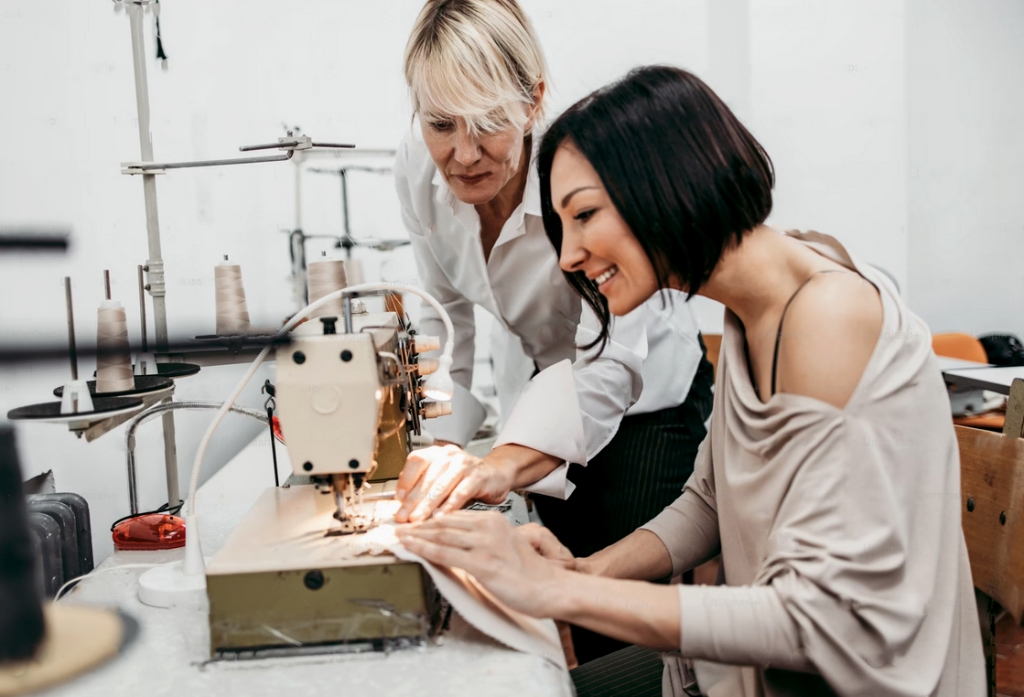
Once you discover your ardor and skill level, it’s time to recognize the marketplace. Take a look around your community. Is there a demand for custom garb or home decor items? Talk to nearby stores and ability clients. You could find a spot, together with green fabric or precise designs that aren’t effortlessly to be had on your place. A simple test is to offer three sample services to a few local groups or social media followers and see which one gets the most replies.
Now that you have skills and passion, it is time to craft a loose plan. Don’t strain about having a great business plan proper away. Jot down some desires and ideas. What offerings will you provide? Tailoring, custom apparel, repairs, or home decor items? Think approximately how much you may want to spend on materials and equipment and how much you’ll rate your offerings. Having a problematic roadmap can guide your journey. When you set prices, start with fabric and supply cost, then add your sewing time, fittings, machine wear, packaging, and a small profit margin. It also helps to write a simple order flow, from inquiry to quote, deposit, fitting, and pickup, so each job feels manageable.
Next, let’s type out the prison stuff. Yes, it may be boring, but it has to be performed. Pick a catchy call in your business and get it registered. Look into any local permits you might want. You might also want to consider getting some coverage to cover your bases. Depending on your location, you may also need a sales tax registration, a home occupation permit, or liability insurance before you take paid orders.
Creating your workspace is one of the fun components. Make sure your stitching region is properly organized and snug. Invest in an excellent sewing system and extremely good tools. You’ll be amazed at how much more accessible and exciting your work becomes with the proper setup. A reliable machine, iron, cutting mat, sharp shears, seam ripper, measuring tape, tailor’s chalk, and storage bins will cover most starter needs. Label each project bin with the client’s name and due date, because that reduces mix-ups fast.
Now, allow consciousness to construct your emblem. A memorable enterprise name and an accessible, fashionable brand can do wonders. Create an internet site to exhibit your work and offer touch records. And remember, social media! Platforms like Instagram and Pinterest are excellent tools for sharing your work. According to DataReportal’s Digital 2024 report, 5.04 billion people worldwide used social media in January 2024, so these platforms can bring in real visibility if you post consistent before-and-after photos, close-up stitching shots, and short process videos. Also, they are useful for connecting with potential customers.
Finding your first clients may seem intimidating, but start with your network. Friends, family, and neighborhood community groups may be superb beginning factors. Attend local markets and galas to showcase your work. And continually prioritize terrific customer service. Happy customers are your best advertisement. Ask for a photo review after each order, because that one habit often brings the next customer faster than paid ads.
Remember, global sewing and fashions are continuously evolving. Pattern drafting software, online fabric sourcing, and made-to-measure services have also made it easier for small sewing businesses to compete if they stay flexible. Keep learning new techniques and stay up to date on enterprise tendencies. Listen for your customers’ feedback and be inclined to conform. The sewing business has a creative spirit at its heart, so permit that to drive you. It also helps to track a few simple numbers each month, such as inquiries, completed orders, and repeat clients, because those figures tell you what is working.
Starting a sewing enterprise is not demanding. Think of it as sewing together portions of a beautiful, new garment. Take it grade by grade, live passionately, and be cognizant of turning in quality. Before you know it, you will have sewn your passion into a thriving business. Start with one clear service, price it carefully, and keep your process simple until demand grows.
Frequently Asked Questions (FAQs)
Q1. How do I start a sewing business from home?
Ans: Start with one or two services, a simple price list, and a tidy workspace. Take clear photos of your work, tell local groups what you offer, and ask for a deposit on custom orders.
Q2. Do I need a license to start a sewing business?
Ans: Requirements depend on your city, county, and country. In many places you need a business registration, and some home-based businesses also need a permit or sales tax account.
Q3. How do I price sewing alterations and custom sewing work?
Ans: Add up materials, thread, machine use, fitting time, and labor, then include a profit margin. If you are unsure, compare nearby competitors and test your prices on a few jobs first.
Q4. What sewing services are most profitable for beginners?
Ans: Hems, zipper repairs, waist adjustments, and basic alterations are usually a good starting point because demand is steady. Once you have repeat customers, you can add custom apparel or home decor work.
Q5. How do I get my first sewing customers?
Ans: Start with friends, family, local groups, and community markets. A few good photos, quick replies, and honest turnaround times usually bring more referrals than expensive marketing.