What Is Polypropylene Fiber?
Polypropylene fiber is a synthetic fiber made from the polymerized form of propylene (propylene monomer), a petroleum-derived chemical. It belongs to the olefin fiber family and is one of the lightest commercial textile fibers.
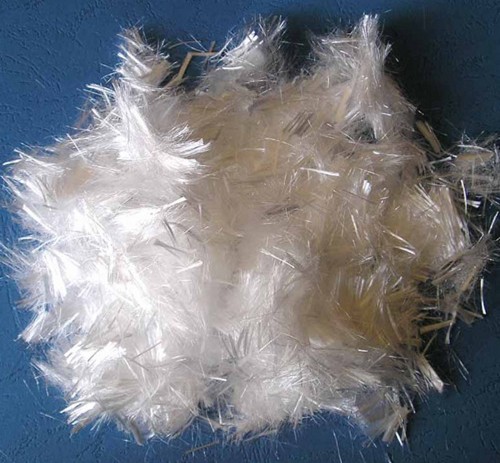
If you look at disposable diapers, carpet backing, filters, ropes, or activewear, polypropylene is often part of the answer. Athough olefin monofilaments have been manufactured for specialized applications since 1949, the widespread use of olefin fibers for a variety of textile products dates to the 1960s. Their rise has been tied to low weight, low cost, and useful performance in both consumer and technical products. In practice, polypropylene has become one of the most important olefin fibers in apparel, interiors, and industrial textiles.
Background and Classification
These fibers are often called polyolefins, but the FTC specifies the generic name olefin. According to the FTC, an olefin fiber is “a manufactured fiber in which the fiber-forming substance is any long-chain synthetic polymer composed of at least 85 percent weight of ethylene, propylene, or other olefin units.” It is worthwhile pointing out that chemists use the term olefin to refer to the monomer as well as polyolefins. Polyolefin plastics in many forms are widely used in products such as supermarket bags, yogurt pots, and detergent bottles.
Two major categories of olefin fibers exist. One is polypropylene; the other is polyethylene. Of the two, polypropylene is used far more extensively for textiles and constitutes the larger quantity of olefin fibers in use today, primarily because of its higher thermal stability. Worldwide the production of olefin fibers has increased significantly. They have gone from fourth among the synthetic fibers in the 1980s to second today after polyester, with almost six million metric tons produced in 2002. Much of the growth is attributable to the extensive use of polypropylene in nonwovens.
Manufacture of Polypropylene Fiber
Propylene, the starting material for polypropylene, is produced during the refining of petroleum for gasoline. Production of the polymer, therefore, has pretty much been the purview of the chemical divisions of the large oil companies. They have a ready supply of propylene for polymerization.
In the polymerization step, specialized catalysts are used to produce polymer molecules that are capable of crystallizing when formed into fibers. Two chemists, Karl Ziegler and Giulio Natta, won a Nobel Prize in 1963 for developing the catalyst system. Ziegler’s work on catalysts to polymerize ethylene and Natta’s discovery of stereospecific polymerization made high-molecular-weight crystalline polypropylene polymers possible. A newer catalyst, the metallocene system, is now also used by several producers. The metallocene system produces purer polymers that are more uniform in size. After polymerization the polymer is extruded and cut into pellets, which are shipped as resin to fiber or film producers.
Polypropylene may be melt spun into fiber filaments for subsequent conversion to yarns, or laid down in a fiber web to form a nonwoven fabric. Another form, fibrillated fibers, can be created by first extruding a film of polypropylene. The film is then either stretched and split or slit and drawn into a network of fibers.
The polyolefin supply chain differs from that of most of the other manufactured fibers. Instead of one firm making the polymer and the fiber, polypropylene fiber manufacturing plants buy their resin from a large chemical supplier. Hence, they have lower capital investment than do vertically organized manufacturers and so tend to be smaller in scale. Because polypropylene fibers are difficult to dye, it is easier to add pigment colors during spinning, and there is an economic incentive for smaller runs of differently colored fibers. Additives to alter fiber properties such as light or flame resistance may be either put in before spinning or incorporated into the polymer resin at the polymerization stage.
Molecular Structure and Dyeing
Polypropylene has a 3D structure with a backbone of carbon atoms and methyl groups (CH3) protruding from the chain. The polypropylene molecule has methyl groups (CH3) on every other carbon in the polymer backbone. For high crystallinity and optimum fiber properties, the methyl groups are all on one side. This configuration is called isotactic, for iso, meaning uniform, and tactic, meaning arrangement or order. Both catalyst systems produce this polymer arrangement that allows tight chain packing and crystalline areas. Within the fiber the polymer chains assume a three-dimensional helical configuration.
Olefin fibers have no polar groups. The chains are held together by crystallinity alone; the fiber is highly crystalline. The absence of polar groups makes dyeing a problem. Solution-dyeing is expensive and less versatile than other methods of adding color to fibers or fabrics. An acid-dyeable olefin is available, but dyed olefins comprise a fraction of the market. Because polypropylene fibers are hard to dye, pigments are usually added to the melted polymer before the fibers are spun. Unpigmented fibers, which are clear, are used in many nonwoven products.
Properties of Polypropylene Fibers
Physical Properties
Shape. In microscopic appearance melt-spun polypropylene fibers may have any of several cross-sectional configurations, depending on the shape of the holes of the spinneret used in extruding the fibers. Under the microscope, the surfaces of polypropylene fibers appear to be smooth; however, under greater magnification, pigmented fibers may have protuberances along the fiber surface that are thought to be either clumps of pigment particles or part of the fiber structure.
The properties of the melt-spun fibers and fibrillated fibers differ somewhat. The denier range of melt-spun fibers is greater than that of fibrillated fibers. Fibrillated fibers have a branchlike structure that may eliminate the need to add texture to the fiber. Also, fiber-to-fiber interlocking is better in fibrillated films, but fiber length is not so uniform, and fibrillated fibers are less regular in shape than melt-spun fibers. They are often flat rather than round.
Specific Gravity. The density of polypropylene is especially low. Its specific gravity is 0.92, or less than that of water. As a result, olefin fabrics float on water when they are washed. The low density of polypropylene also is related to the relatively low cost of olefin fiber; a small weight of raw materials can be used to produce a large volume of fiber.
Color. Because polypropylene fibers are hard to dye, pigments are usually added to the melted polymer before the fibers are spun. Unpigmented fibers, which are clear, are used in many nonwoven products.
Mechanical Properties
Strength. Polypropylene fibers can vary in tenacity, ranging from 2.5 to 5.5 g/d depending on the amount of stretching the fiber undergoes after extrusion. End use dictates this, with higher strength required for ropes and other industrial products. Olefin fibers are generally weaker than equivalent nylon or polyester fibers but are still strong enough to be used in applications where strength is important, such as ropes.
Modulus. Polypropylene fibers have low initial resistance to stretch, compared to cotton and polyester. This is due to the helical form of the polymer, which straightens when the fiber is stretched.
Elongation and Recovery. The elastic recovery of polypropylene fibers is excellent. They will stretch a moderate amount before breaking. High-strength polypropylenes for industrial uses have lower elongation.
Resilience. The resilience of polypropylene is lower than nylon and polyester, and carpet made from the fiber will have a higher tendency to mat. Newer variants of polypropylene, however, have better resilience.
Chemical Properties
Absorbency. Polypropylene is almost completely nonabsorbent. This low absorbency makes it difficult to dye but gives the fiber exceptional resistance to waterborne soil and stains. Grease and oil do stain polypropylene fabrics, and because they are oleophilic, or oil attracting, stains may be difficult to remove. Depending on their construction, olefin fabrics have good wickability, enabling them to transport liquid moisture away from the body.
Electrical Conductivity. The electrical conductivity of polypropylene is poor. Its low absorbency contributes to problems of static electricity buildup, although finishes used in the spinning and processing of the fiber can overcome this problem in the finished product.
Effect of Heat; Combustibility. The melting point of polypropylene is low, 330°F. While this may be an advantage during production, where lower heat is required for melt spinning, it can be a problem in product use. Hot bacon fat dropped on olefin carpets will melt fibers. Hot dryers and heaters can also affect them. Olefins are combustible and melt as they burn. They produce a sooty smoke. Some flame-resistant polypropylenes are available.
Chemical Reactivity. Polypropylene’s resistance to bases and to acids is very good. This chemical resistance, combined with low moisture absorbency, have spurred its use in protective clothing and implanted medical devices. Some organic solvents used in dry cleaning may affect the fabrics adversely. Home laundering is preferable to dry cleaning in the care of polypropylene fabrics.
Environmental Properties
Mold, mildew, and insects do not attack olefins. Age has no appreciable effect, but sunlight can significantly deteriorate the fabric. This property can be altered by incorporation of ultraviolet stabilizers in the polymer melt before spinning.
Other Properties
Dimensional Stability. The wet dimensional stability of polypropylene is good because of the fiber’s low moisture absorbency. Its low melting point, however, makes it susceptible to thermal shrinkage at temperatures above 250°F.
Abrasion Resistance. Polypropylene fibers have moderate abrasion resistance, lower than polyester and nylon.
Uses of Polypropylene Fiber
Nonwovens and Hygiene Products
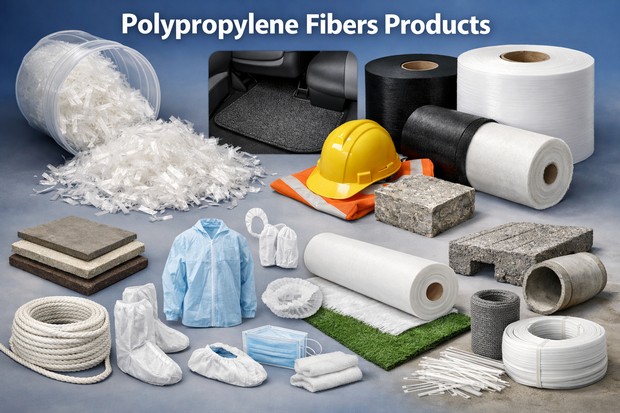
Polypropylene is the fiber of choice for many nonwovens, from industrial filters to parts of disposable diapers. The easy processability of the polymer makes it ideal for forming nonwovens directly by melt spinning. In addition, the fiber is inexpensive and lightweight. Polypropylene nonwovens for filters and wipes can be given an electrical charge to enhance their ability to attract dust and dirt particles. As diaper liners, they wick moisture away from the skin to the inner absorbent layer of the diaper.
Industrial and Engineering Uses
Other industrial applications of polypropylene include ropes, cordage, netting, and bagging. Nonwoven olefin geotextile materials are used in road construction and in other engineering projects. Polypropylene geotextiles are placed under the soil or roadbeds, where their strength and chemical resistance are advantages and they will not be degraded by light. They are also used as stitching in geotextiles for control of erosion. These products, placed on top of the soil, should biodegrade after vegetation is established. Ropes and cords made from polypropylene are lightweight, water resistant, and can be very strong when higher-tenacity fibers are used.
Carpets and Home Furnishings
Another significant use for polypropylene is in carpets. It has virtually replaced jute in carpet backing because of its resistance to microorganisms. This is a large use of fibrillated fibers. Being nonabsorbent and having good weather resistance, polypropylene can be made into carpets that will withstand exposure to outdoor conditions in areas where sunlight is not intense or prolonged. However, without ultraviolet light stabilizers, such carpets will deteriorate in climates such as those of the American Southwest. When polypropylene is used for traditional indoor carpets, soil- and waterborne stain resistance are exceptional, and the carpets have good lightfastness and resistance to moths. A drawback has been its lower resilience, which can affect the stability of the carpet pile.
For many years upholstery fabric manufacturers made extensive use of polypropylene in a variety of fabrics including velvets. Stain resistance was a particular advantage. Changes in home furnishing fashions, as well as other expanding markets such as nonwovens, have resulted in a decline in the amount of polypropylene used in upholstery. It is still often seen in contract and office furniture, though.
As an alternative to nylon, olefin and polypropylene carpets are affordable, strong, and colorfast, with a softer, more wool-like feel. Generally, this fiber produces a more pleasing aesthetic than most commercial nylons. For moderate contract traffic and for residential applications, olefin resists wear and stains. It is also used for artificial turf carpeting. It generally does not wear as long or as acceptably as nylon. Olefin and polypropylene are used where static minimizing or sunlight resistance is important. Because it is usually comparatively inexpensive, it is used where a short replacement cycle is anticipated. It is resistant to cleaning chemicals and stains.
Apparel and Insulation
Although industrial and home furnishings areas are the major outlets for polypropylene fiber, it is also an apparel fiber. It enjoys a good proportion of the market for activewear products because of its excellent wicking qualities, transmitting moisture to the outer surface and reducing the cold, clammy feeling next to the skin. Use in other apparel fabrics is limited. Fine-denier filament polyolefin is difficult to produce as high-quality filament yarn, although research in this area continues. Staple fiber yarns are more easily produced, and most apparel is made from staple yarns.
Because the polymer must be colored before it is extruded, polypropylene has the advantage of excellent colorfastness but the disadvantage that decisions about color must be made long before the fabrication of final products. Given the structure of the olefin industry today, however, with its smaller, more flexible manufacturers and the quick-response ability of most of the textile supply chain, opportunities for specialty and fashion-oriented apparel products are increasing. Polypropylene fibers are also being used as insulation materials for gloves, footwear, and apparel.
Fine olefin and polyester fibers are made into a nonwoven batting that the manufacturer, 3M, calls Thinsulate®. The batting provides good insulation because the high surface area and low density of the material trap air. The fine size and light weight of the fibers contribute to warmth without excessive bulk or weight. DuPont manufactures Tyvek®, a nonwoven polyolefin for use in barrier garments such as clean suits, protective garments for toxic waste cleanup, and the like. One of the major advantages of the fiber is the low cost of production.
Polypropylene Trademarks
As mentioned under manufacturing, a large number of different firms throughout the world make polypropylene fibers and products for the varied end uses described above. American Fibers and Yarns produces a number of polypropylene fibers including the brand names Marquesa®, Impressa®, and Innova®. FiberVisions® manufactures several polypropylene fibers under the company trademark.
Care Procedures
Polypropylene carpet and upholstery fabrics are relatively care free, and great strides in improving stain resistance have been made. For most of these fabrics, stains can be wiped off with a damp cloth. Routine vacuuming and periodic shampooing will help to maintain and preserve both appearance and durability.
Garments and other items can be laundered at moderate temperatures. The fiber, however, is heat sensitive at about 250°F. Most dryers do not exceed temperatures of 180°F to 190°F, so drying at low temperatures is permissible; however, line drying may be preferable as it generally eliminates any need for pressing. Hot irons will damage these fabrics, so only cool iron temperatures should be used for pressing. Polypropylene fibers are affected by some dry-cleaning fluids. Care labels should be checked carefully as blends of polypropylene with other fibers may require special care.
Many polypropylene nonwoven fabrics are used in disposable products that are designed for one or a few uses for sanitary or durability reasons. Procedures for caring for these products are, therefore, not an issue.
Conclusion
Polypropylene fiber has earned a strong place in nonwovens, carpets, ropes, activewear, and protective products because it is light, resistant to water, and easy to process. Its low absorbency and low density are major strengths, while dyeing, heat sensitivity, and lower resilience can limit some end uses. The fiber also depends heavily on the way it is colored and stabilized during production. As resin handling and finishing methods continue to improve, polypropylene should remain a practical choice in both technical and consumer textiles.