The fashion industry is one of the most dynamic and competitive sectors in the global economy. Trends change rapidly, consumer expectations continue to rise, and brands are under constant pressure to deliver products quickly and efficiently. Behind every successful fashion label is a well-organized supply chain supported by effective logistics operations.
From sourcing raw materials to delivering finished garments to retailers and customers, logistics plays a critical role in ensuring that products move smoothly through every stage of the fashion supply chain. Without efficient logistics management, even the most innovative fashion brands can struggle to meet market demands.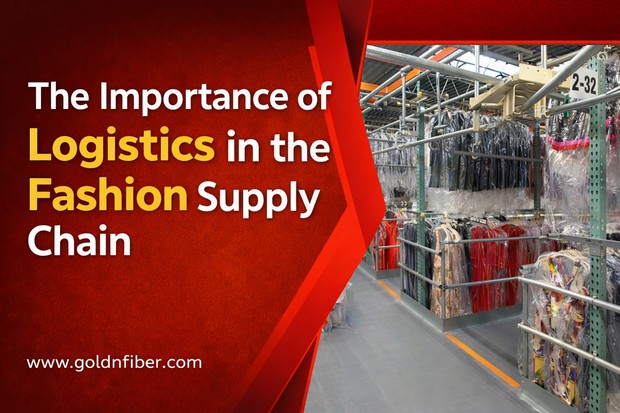
Understanding the Fashion Supply Chain
The fashion supply chain consists of numerous interconnected processes that transform raw materials into finished products. These processes often involve manufacturers, suppliers, distributors, warehouses, transportation providers, retailers, and e-commerce platforms.
A single garment may pass through several countries before reaching the consumer. Fabrics might be produced in one location, assembled in another, and distributed globally through complex transportation networks. Coordinating these activities requires careful planning and efficient logistics systems. The ability to manage these movements effectively can have a significant impact on profitability and customer satisfaction.
Meeting Consumer Expectations
Modern consumers expect convenience, speed, and reliability when purchasing fashion products. Online shopping has further increased demand for fast shipping and accurate delivery estimates. Efficient logistics operations help fashion brands meet these expectations by ensuring products are available when and where customers need them. Delays in transportation or inventory management can lead to missed sales opportunities and damage customer trust. Companies that prioritize logistics often gain a competitive advantage by providing a more seamless shopping experience.
Inventory Management and Cost Control
One of the primary benefits of effective logistics is improved inventory management. Fashion businesses must carefully balance supply and demand to avoid overstocking or stock shortages. Excess inventory can increase storage costs and tie up valuable capital, while insufficient inventory can result in lost sales and dissatisfied customers. Logistics systems help businesses monitor stock levels, forecast demand, and optimize distribution strategies. Accurate inventory management contributes to greater efficiency throughout the supply chain and supports healthier profit margins.
Supporting Global Operations
Many fashion companies operate on an international scale. Products may be sourced, manufactured, and sold across multiple continents. As a result, transportation and logistics become increasingly important. Reliable transportation providers, efficient warehousing systems, and advanced tracking technologies help ensure that goods move smoothly through global supply chains. Managing customs requirements, shipping schedules, and distribution networks requires expertise and coordination. Strong logistics infrastructure enables fashion brands to expand into new markets while maintaining operational efficiency.
The Role of Transportation
Transportation serves as the backbone of the fashion supply chain. Whether moving raw materials between suppliers or delivering finished products to consumers, transportation directly affects delivery speed, costs, and customer satisfaction. Different transportation methods may be used depending on product requirements, timelines, and budgets. Air freight offers speed, while sea and ground transportation often provide more cost-effective solutions for larger shipments.
Beyond the movement of products, many fashion businesses also depend on vehicle transportation services to support their operations. Large brands often maintain company vehicles that are used by regional managers, sales representatives, merchandising teams, and event coordinators who travel between stores, warehouses, trade shows, and fashion events. When a company opens a new location, relocates employees, or expands into a new market, Phoenix car transportation services can be more practical than driving them long distances.
Technology and Supply Chain Visibility
Technology has transformed logistics management within the fashion industry. Modern supply chain software allows businesses to track shipments, monitor inventory levels, forecast demand, and identify potential disruptions in real time. Enhanced visibility helps decision-makers respond quickly to changing conditions and improve operational performance. Data-driven insights also support better planning and more accurate resource allocation. As consumer expectations continue to evolve, technology will play an increasingly important role in maintaining supply chain efficiency.
Sustainability and Logistics
Sustainability has become a major focus within the fashion industry. Consumers and brands alike are seeking ways to reduce environmental impact while maintaining operational effectiveness. Logistics strategies can contribute to sustainability goals through route optimization, improved packaging practices, consolidated shipments, and more efficient transportation methods. Reducing waste and minimizing unnecessary transportation can benefit both the environment and the bottom line. Fashion companies that integrate sustainability into their logistics operations often strengthen their reputation and appeal to environmentally conscious consumers.