Last Updated on July 18, 2026
Stretch fabrics have changed the fashion game by giving us comfort and flexibility that traditional fabrics can’t. In most garments, the knit or weave structure also affects how much the fabric moves, not just the fiber content. Engineered to stretch and go back to their original shape, these fabrics cover everything from athletic wear to everyday clothing. Whether you’re wearing yoga pants or a piece of lingerie fabric, the benefits of stretch technology are life-changing. Stretch fabrics is a major milestone in textile technology. The fabric stretches and rebounds so it doesn’t sag or warp.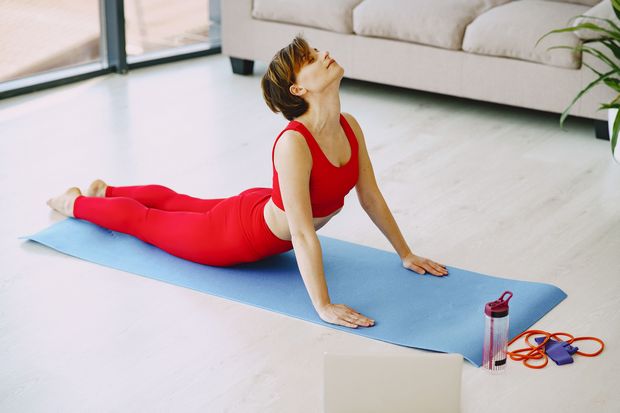
The Technology Behind Stretch Fabrics
Stretch fabrics get their stretch from a combination of elastic fibers and other components. In many blends, elastane, spandex or Lycra is the elastic component, while nylon, polyester or cotton provides the body of the fabric. Some fabrics are used to add stretch. These fibers are blended with natural or synthetic fibers to create flexible yet durable materials. Advances in fiber chemistry have taken these properties to the next level, creating elastic, breathable and long lasting fabrics.
Elastic Fibers
Elastic fibers are the foundation of stretch fabrics. These fibers can stretch up to about 5 to 8 times their original length and snap back without losing shape, according to The LYCRA Company. This versatility makes them perfect for sportswear to intimate apparel. That recovery is what helps leggings, shapewear and swimwear keep their fit after repeated wear. The material science behind these fibers is evolving even more.
Stretch Fabrics in Everyday Clothing
Stretch fabrics have many benefits in everyday wear. They’re known for comfort, fit and movement. They’re famous for casual wear, work wear and formal wear. For shoppers, 2-way stretch usually moves across the width, while 4-way stretch moves in both directions and feels more forgiving in fitted garments. Keeping shape while being flexible is a key reason for their popularity.
Comfort and Fit
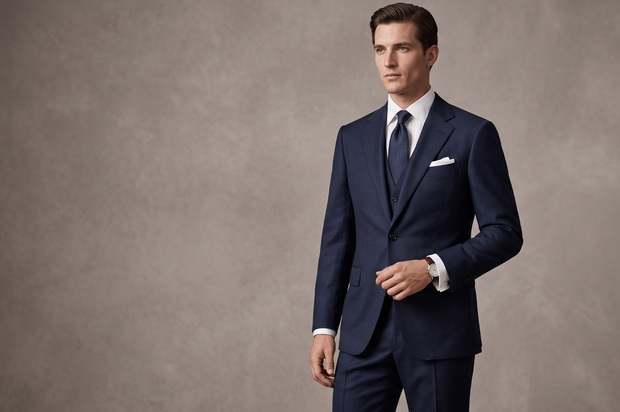
Stretch fabrics mould to the body, giving a snug yet comfortable fit. This is especially useful for garments that need a precise fit, like jeans, dresses and suits. A little stretch also makes tailored clothing easier to sit, bend and walk in, which is why modern suits and fitted dresses often include stretch blends. The added flexibility also gives more range of movement, so everyday activities are more comfortable. For those who are always on the go, garments made from stretch fabrics can be a total game changer.
Sports and Active-wear
One of the most common uses of stretch fabrics is in sports and active-wear. These garments need to have a high range of movement and can withstand tough activities. For workout clothes, stretch works best when it is paired with strong recovery and flat seams, so the garment stays comfortable without rubbing or bagging out. Stretch fabrics are designed to meet these requirements, with features like moisture-wicking and quick drying.
High-Performance Sportswear
Active-wear with stretch fabrics has many performance benefits. Performance fabrics are usually tested for stretch, recovery and durability together, because good stretch alone is not enough for training wear. For example, running gear with these materials can help an athlete perform better by providing support and reducing muscle fatigue. Innovations in textile technology have even led to the development of new fabrics that can offer more functionality. For example, the best running shoes for men often have stretch technology to give a seamless and comfortable fit.
Sustainability and Stretch Fabrics
Sustainability is a growing concern in the textile industry and sustainable practices are being incorporated into stretch fabric developments. The most common change is the use of recycled polyester and recycled nylon in stretch blends, especially for sportswear and linings. This includes using recycled materials and reducing water and energy consumption during production. Designers also need to think about recyclability, because elastane can make end-of-life recycling more difficult in many recycling systems. It addresses environmental concerns and meets the consumer’s demand for Eco-friendly products.
Eco-friendly Features
Manufacturers are putting more emphasis on sustainable practices when producing stretch fabrics. Shoppers can look for recycled-content labels, lower-impact dyeing and certified mills to get a clearer picture of what “Eco-friendly” really means. This means using recycled materials, reducing waste and Eco-friendly dyes and processes. It’s good for the environment and good for the consumer who wants to make a responsible choice.
Future of Stretch Fabric Technology
The textile industry is always evolving and stretch fabrics are no exception. The most likely near-term use is not everyday smart clothing for everyone, but niche sports and medical garments that track fit, movement or temperature. Future trends include smart textiles that can interact with the body, offer performance features and provide data through embedded sensors. These will change the way we think and use fabrics.
Smart Textiles
Smart textiles combine technology with fabric to offer interactive and functional benefits. In practice, these sensors are more likely to appear first in compression wear, rehab garments and performance training pieces than in basic T-shirts. For example, some stretch fabrics are being developed with embedded sensors to monitor body temperature, hydration levels etc. These will find applications in sports, healthcare and everyday wear, a new world of textile possibilities.
Choosing the Right Stretch Fabric
When choosing the right stretch fabric depends on the use. A quick pinch-and-release test is a simple way to check whether the fabric snaps back cleanly or starts to feel tired after one stretch. Active-wear needs high elasticity and moisture wicking, everyday wear needs comfort and durability. Knowing these differences will help you make informed decisions when shopping for stretch fabrics.
Considerations
- Elasticity: Make sure the fabric can stretch for its intended use. Different applications will require different levels of elasticity.
- Breathability: Look for fabrics that breathe, especially for active-wear. Breathable fabrics will enhance comfort by wicking away moisture and allowing air to circulate.
- Durability: Choose durable fabrics, especially for everyday wear, that can be worn regularly. Durability means garments will hold their shape and function over time.
- Sustainability: Consider Eco-friendly options that use recycled materials and sustainable manufacturing practices. It’s for responsible fashion and long-term benefits for the planet.
Conclusion
Stretch fabrics are here to stay; they’re the ultimate comfort and versatility. With technology advancing and sustainability in focus, these will shape the future of fashion. Whether everyday wear or active-wear, stretch fabrics are the way to go for comfort and performance. We’ll see even more uses and developments in these amazing fabrics as the industry moves forward.
Frequently Asked Questions (FAQs)
Q1. What is the difference between 2-way stretch and 4-way stretch fabric?
Ans: 2-way stretch fabric stretches in one direction, usually across the width, while 4-way stretch moves both across the width and along the length. 4-way stretch feels more flexible and is often used for leggings, activewear and fitted clothing.
Q2. What is the best stretch fabric for leggings?
Ans: Nylon-spandex and polyester-spandex blends are common choices for leggings because they offer stretch, recovery and durability. Cotton-spandex can feel softer for everyday wear, but performance blends usually hold shape better.
Q3. How do you wash stretch fabric without ruining it?
Ans: Wash stretch fabrics in cold water with a mild detergent and avoid high heat in the dryer. Heat can weaken elastane over time and make the fabric lose its recovery.
Q4. Does stretch fabric lose elasticity over time?
Ans: Yes, stretch fabric can lose elasticity if it is over-washed, exposed to high heat or stretched beyond its limit. Choosing good-quality fabric and following the care label helps it last longer.
Q5. What is the difference between spandex, elastane and Lycra?
Ans: Spandex and elastane are the same type of elastic fiber, and Lycra is a brand name for that fiber. The term used often depends on the country or the manufacturer.