Last Updated on June 22, 2026
Introduction
Sewing machine operators are the main performer of an apparel manufacturing industry. They will accomplish the real job of this arena. Thus they are considered as the backbone of a garment industry. All of the other people engaged in this ground do the auxiliary tasks. Sewing machine operators are the main driven forces of a garment industry. We can’t think of the garment industry without sewing machine operators. Operators have the right to know what level of performance; skill and workmanship are desired by a garments owner from them. Then they can prepare themselves to be a part of the organizations. So, a written job description should provide to them for their betterment by garments owners. Each point of the job description must be described to them if operators become uneducated so that they can understand their job responsibilities, liabilities easily and can finish their assign task promptly. A short visual briefing or translated note can help them understand the job easily. Beside this HR should arrange a monthly meeting to make awareness among sewing operators regarding their assign task.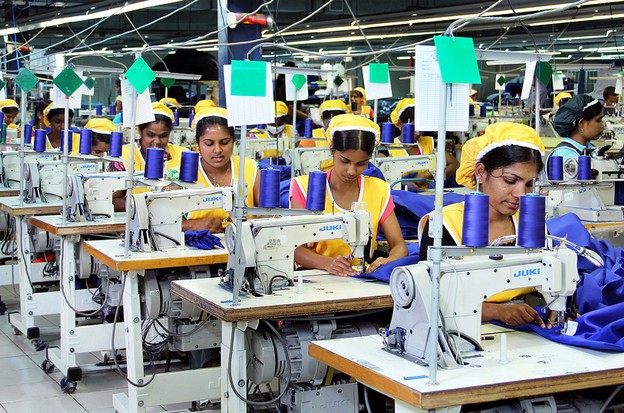
SOP of Sewing Machine Operators:
Here I have tried to compile some major duties of sewing machine operators. Please find common Major Duties of a Sewing Machine Operator in Apparel Sectors to make conscious in their job tenure.
Work Discipline and Team Spirit
- Sewing Machine Operators must love their task from heart and soul. Their interest in the job can improve speed and stitch consistency.
- Dressmaking is a labor-based industry. So they should become social, obedient to work together. Good teamwork also helps when one operation slows down.
- Each piece of A-grade garment will increase the profit of owners. So sewing machine operators should not be talkative and must pay full attention to their task.
Machine Readiness and Daily Briefing
- Sewing machine operators should present every day to their floor in time & have to clean their own machine and workplace gradually. A clean workstation also helps them notice thread waste, oil leaks, and broken parts early.
- They need to check 7 points first to ensure that their workstation is ready to proceed. Those points can include the machine condition, needle, thread path, bobbin, oil level, guard, and bundle order.
- They have to attend early morning short briefing what will arrange by supervisors or production manager.
- They have to wait for particular instruction and daily target from their supervisor to accomplish their assign job perfectly. They should also confirm the style, operation sequence, and quality points before starting.
- They will ensure that his machine is equipped with an eye guard or needle guard or puller cover. They should not start work if any guard is missing.
- They should seek a reference sample or mock-up sample, trim card from their supervisors so that they can complete their assign task smoothly. They should compare the first approved piece with it before bulk production.
- They have to check reference sample carefully to get a sound knowledge of sewing techniques & quality standard. This helps them understand stitch type, seam allowance, and finishing details.
- They should check the hourly & daily production target of running style from their supervisors. It also helps them keep quality stable.
- They should ask any unclear point if arise regarding sewing or quality issues from their supervisors. This avoids rework later.
Measurement and Quality Control
- Sewing machine operator is an important part of a garment industry. Garments making is a chain process. So they should work as a team. They shouldn’t think as an individual person. Good teamwork also helps when one operation slows down.
- They have to keep measurements as per work order sheet or specification sheet. So they should become conscious during dressmaking. They should verify critical points like length, width, and symmetry on the first output piece.
- They have to ensure necessary seam allowances as per worksheet. Even a small mismatch can affect fitting later.
- Each piece of garment is valuable to the owners. Thus they have to pay the highest care to erase unwanted rejects or defects.
- They should become conscious during garments parts sewing so that they do not get spoil or stain.
- They should become conscious in handling bundles, numbering and cut panels checking to avoid mix-up. They should keep size-wise or shade-wise bundles separated.
- They should use hand gloves and scarf to remove dirt or stain.
- They must pay their highest effort to achieve daily target.
- They will check needle from time to time to ensure that it is not blunt or broken. A dull or broken needle can damage fabric and create skipped stitches.
- They should check machine tension to avoid puckering. They should test one or two pieces after any needle, thread, or bobbin change.
- If somehow any bottlenecks arise, they must discuss with their supervisors to remove it carefully. They should solve it without stopping the whole line.
- Whenever face any sewing problems or sewing defects and critical sewing techniques they should discuss with the supervisors & senior operators to solve it. It is better to solve it before bulk work continues.
- Sewing machine operators should check stitch per inch (SPI) as per buyer standard. The setting should match the approved line and operation.
Machine Maintenance and Safety
- They should take care of their sewing machine and clean it regularly to get smooth operation. They should clean lint from the feed dog, bobbin case, and needle plate.
- Sewing machine operators should not become frightened at the time of hazards or fire disaster. They should follow the nearest exit route and report the incident immediately.
- After cleaning sewing machine and oiling, he should check its performance. A short test run on scrap material is a safe next step.
- They shouldn’t compromise with the expected quality standard. If a defect appears, the piece should be separated for checking.
- They should attend firefighting training program to handle firefighting equipment to face uncertain occurrence. They should know the nearest exit, alarm point, and assembly area.
- They should use a mask to avoid dust and micro origins especially during cleaning or handling dusty bundles.
- Sewing machine operators should not engage with any labor dispute, violence or anti-state movement.
- If arise any personal issue like salary, leave, illness etc. sewing machine operators should discuss with line leader or counselors to solve quickly. They should keep the matter professional so it does not affect line output.
Conclusion
Following these duties helps sewing machine operators reduce defects, protect the machine, and meet production targets with better quality.
Frequently Asked Questions (FAQs)
Q1. What are the duties of a sewing machine operator in a garment factory?
Ans: A sewing machine operator stitches garment pieces according to the approved sample, measurement sheet, and production target. The operator also checks machine condition, watches for defects, and keeps the workstation clean.
Q2. What skills are required for sewing machine operator jobs?
Ans: The main skills are speed, accuracy, hand control, and the ability to follow the sample or specification sheet. Teamwork and basic machine troubleshooting are also important in garment production.
Q3. How can sewing machine operators reduce sewing defects?
Ans: They should check the first piece, maintain proper tension, use the right needle, and stop to ask the supervisor when a fault appears. Careful bundle handling and regular machine cleaning also help reduce defects.
Q4. What is SPI in garment sewing?
Ans: SPI means stitches per inch, and it affects both seam appearance and strength. The SPI must match the buyer or buyer-approved standard for that operation.
Q5. How do you maintain a sewing machine in an apparel factory?
Ans: Clean the lint, check the needle, and oil the machine as per the factory schedule. A quick test run on scrap fabric after cleaning helps prevent sudden breakdowns during production.