Last Updated on June 24, 2026
Garments manufacturers have to produce different sort of apparel items on their production floor. Once received a new style extra time required to understand the operations (construction details). So it would be convenient if factory IE team analyze each of the garment samples physically before insert into the production floor. If a garment item becomes solid color, then it would be convenient to prepare a thread consumption file. However IE team should make a thread consumption chart according to sample color assortment. For a practical file, break consumption by garment part such as body, sleeve, collar, pocket, and trims, because one flat average often hides the real operation-wise consumption.
Once a sample developed in the sample room and got approved by the buyer, apparel merchandiser should check with IE team before issuing PO sheet to the supplier. Otherwise, it has a chance to face thread shortage problem in the mid of running production. The same check should cover thread color, shade, and machine type before the trim PO is released, especially when one style uses more than one sewing operation or decorative stitch.
To find out average thread consumption for a particular style in bulk production has never been an easy task. Cause it is a time-consuming process which can’t omit from routine job. Thus, you should follow a scientific method to count average thread consumption to erase shortage problem in bulk production or leftover problem after production. The easiest method is to calculate each operation from the approved sample, then add your factory standard allowance for thread trimming, back-tacking, and machine start-stop loss.
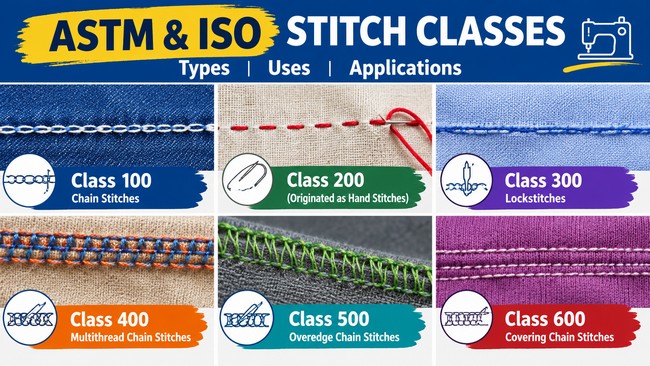
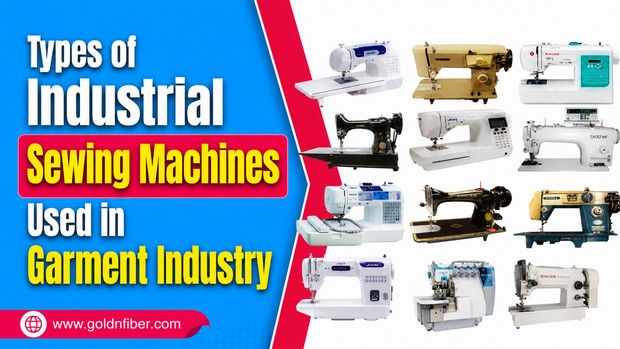
Various sorts of sewing machines require in bulk production. IE team should consider machine layout before preparing thread consumption chart. Based on garment sample nature requires different types of stitches and seams to accomplish bulk production. They influence thread consumption to a large extent. A table is shown below, giving thread consumption per centimeter of seam for different stitch types. Fabric thickness, stitch density, seam type, and operations like overlock, cover stitch, bartack, and button attach also change the final thread requirement, so one garment style should not be given one flat average without checking operation-wise data.
Let us find a list of thread consumption considering different sort of stitch type and sewing machine category.
| SL# | Stitch Type | Thread Consumption per CM of Seam | Number of Needles | Needles thread & lopper thread ratio | |
| 1 | Chain Stitch | 101 | 4.0 | 1 | 1:0 |
| 2 | Lock Stitch | 301 | 2.5 | 1 | 1:1 |
| 3 | Double Chain Stitch | 4.2 | 5.5 | 1 | 1:3 |
| 4 | Zigzag Lock Stitch | 304 | 7.0 | 1 | 1:1 |
| 5 | 2 Thread Over Edge Stitch | 503 | 12.0 | 1 | 1.2:1 |
| 6 | 3 Thread Over Edge Stitch | 504 | 15.0 | 1 | 1:5 |
| 7 | 4 Thread Mock Safety Stitch | 512 | 18.0 | 2 | 1:3.3 |
| 8 | 5 Thread Safety Stitch | 516 | 20.0 | 2 | 1:1.34 |
| 9 | 4 Thread Covering Stitch | 602 | 25.0 | 2 | 1:3.3 |
| 10 | 9 Thread Covering Stitch | 606 | 32.0 | 4 | 1:3.5 |
| 11 | BRTK | 48 | 1 | 1:1 | |
| 12 | Feed of the ARM | 6 | 2 | 1:1 | |
As a merchandiser, we have to put approximate sewing thread consumption while making cost sheet. It would be helpful if we have few ideas of some items approximate sewing thread consumption. For costing, keep a small safety margin based on your cutting and sewing wastage history rather than rounding too tightly, because a low estimate often looks cheaper on paper but creates shortage later.
Now let us find approximate sewing thread consumption in different garments.
| SL# | Type of Garment | Thread consumption per garment | Remarks |
| 1 | Regular Shirt | 140 m | Woven |
| 2 | Trousers | 250 m | Woven |
| 3 | Jeans Pant | 200 m | Woven |
| 4 | Waist Coat | 180 m | Woven |
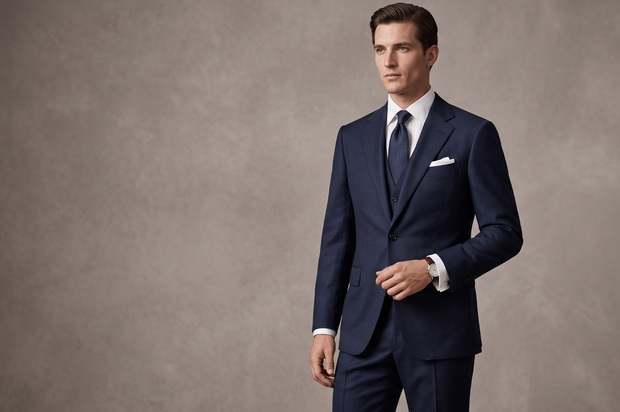
| 5 | Suite or Men’s Two pieces | 460 m | Woven |
| 6 | T-Shirt | 40 m | Knit |
| 7 | Brief | 45 m | Knit |
| 8 | Panty | 65 m | Knit |
| 9 | Brassier | 50 m | Intimate |
| 10 | Athletic Shirt | 60 m | Knit / Woven |
| 11 | Normal Backpack | 250 m | Woven |
| 12 | Heavy Backpack | 500 m | Woven |
| 13 | Insulated Kids Jacket | 500 m | Woven |
| 14 | Insulated Mans Jacket | 700 m | Woven |
To simplify average thread consumption, renowned thread manufacturer A&E has developed a suitable calculating process by introducing a technical tool. Now anyone can count average thread consumption of a particular style if he has a sound idea of garment operations, what types of machine to be used to make the garment in each operation. Even when you use a calculator or spreadsheet, always cross-check the result with the approved sample and one actual bulk operation, because machine setting and operator method can change the final figure.
A careful operation-wise calculation helps you avoid both thread shortage in production and excess leftover after shipment, so the approved sample should always be the base for your final consumption file.
Frequently Asked Questions (FAQs)
Q1. What is the formula for thread consumption in garments?
Ans: There is no single universal formula because stitch type, seam length, machine type, and seam construction all change the result. In practice, factories calculate operation-wise consumption from the approved sample and then add the factory allowance for process loss.
Q2. How do you calculate thread consumption for a garment?
Ans: Measure each sewing operation, note the stitch class and machine used, then calculate the thread requirement for that seam. Add the allowance for trimming, back-tacking, and start-stop loss before issuing the PO.
Q3. What factors affect sewing thread consumption?
Ans: Fabric thickness, stitch density, seam type, number of operations, and color changes can all alter consumption. Decorative stitches and special machines like overlock or bartack also increase the total.
Q4. How much extra thread should be added in garment production?
Ans: There is no fixed number for every style because each factory and garment is different. A small safety margin is usually added from past production data so shortage does not happen during bulk sewing.
Q5. Can Excel be used for thread consumption calculation?
Ans: Yes, Excel can be used for a simple thread consumption sheet. List each operation, stitch type, seam length, and thread requirement, then total the style-wise consumption and keep the file updated after sample approval.